

Industrial Wastewater Treatment Equipment for Challenging Effluent
Memva designs and manufactures MVC evaporators, DTRO membrane systems and multi-effect evaporation equipment for high-salinity wastewater, water recovery and Zero Liquid Discharge applications.
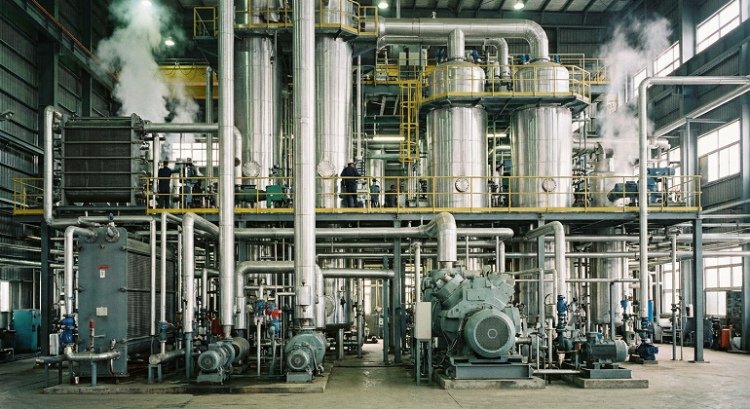
When Conventional Wastewater Treatment Is Not Enough
Industrial wastewater projects become difficult when dissolved salts, refractory organics, variable feed conditions or strict discharge targets push conventional biological treatment and standard RO beyond their practical limits.
Discuss your wastewater characteristics →High TDS & Salinity
Brine and concentrated process wastewater can require high-pressure membrane treatment or evaporation before discharge or reuse.
Wastewater Volume Reduction
Evaporation can substantially reduce liquid waste volume while recovering condensate for suitable reuse applications.
Zero Liquid Discharge
ZLD projects normally require an integrated process rather than one standalone machine, combining pretreatment, concentration and final evaporation stages.
Difficult or Variable Effluent
Industrial streams containing salts, metals, organics or fouling components require equipment selected around actual feed chemistry.
Choose the Right Technology for Your Process
Memva's product range covers membrane concentration and multiple industrial evaporation configurations. The correct system depends on wastewater composition, capacity, energy availability and final treatment target.
MVC Evaporator
Mechanical vapor compression evaporation for wastewater volume reduction, brine concentration, water recovery and ZLD applications.
Explore MVC evaporators →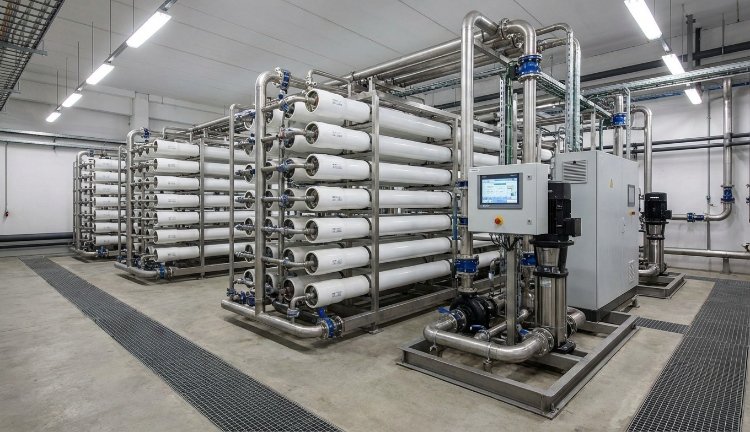
DTRO Membrane Systems
Disc tube reverse osmosis systems for high-TDS wastewater, landfill leachate and difficult feed streams with elevated fouling potential.
Explore DTRO systems →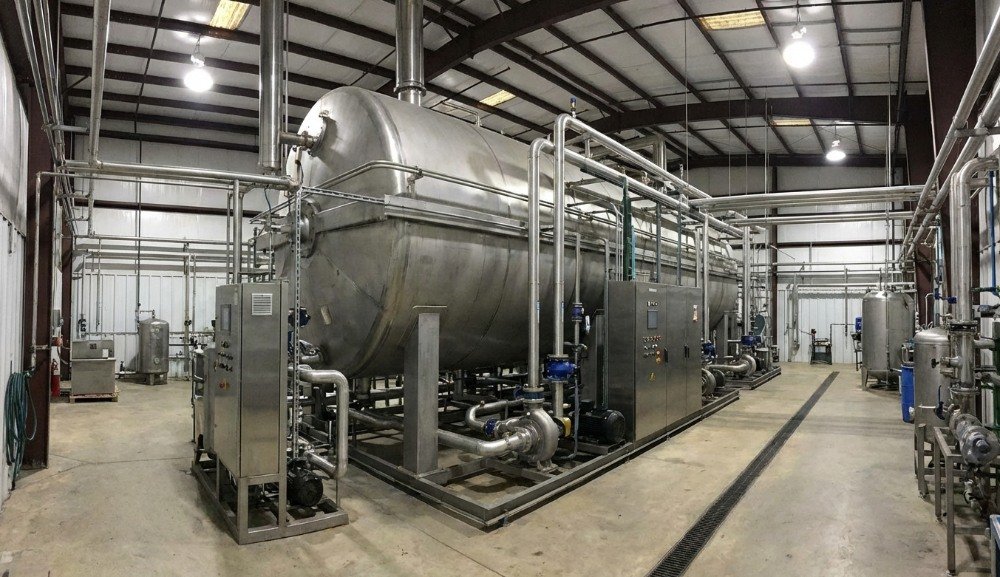
Single Effect Evaporator
A straightforward evaporation configuration suitable for selected lower-capacity, intermittent or process concentration applications.
View single effect systems →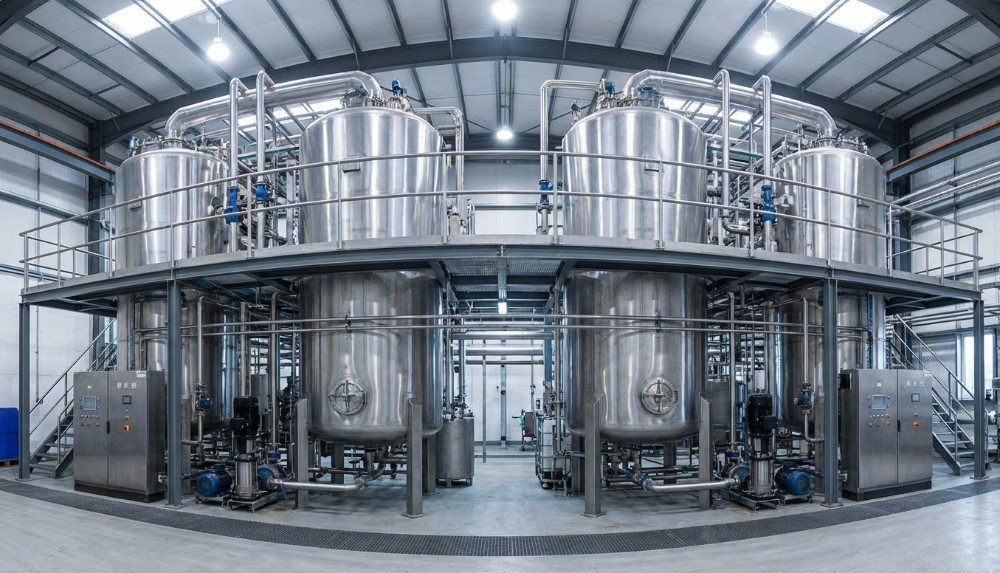
Double Effect Evaporator
Uses vapor from the first evaporation effect as heating energy for the second stage to reduce steam demand.
Compare double effect systems →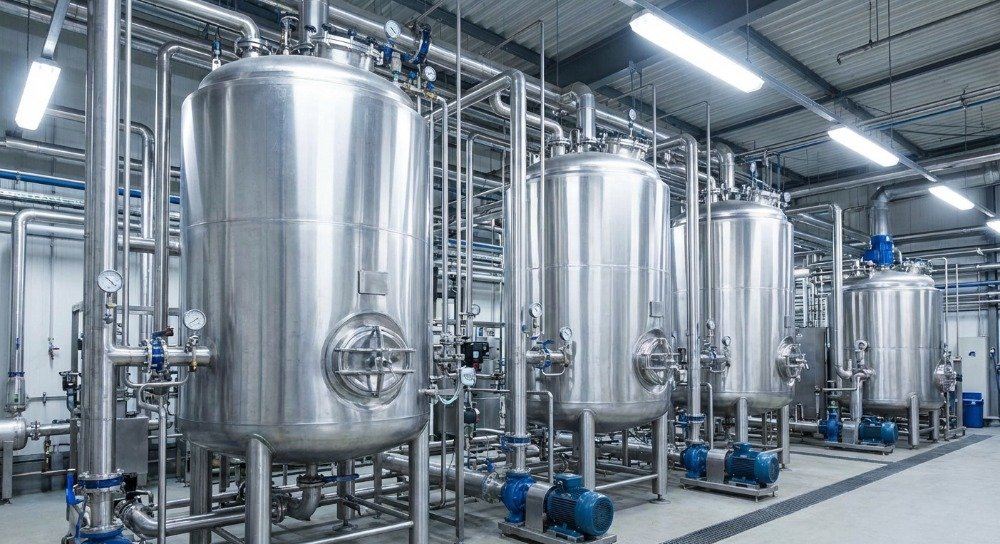
Triple Effect Evaporator
Three sequential evaporation effects reuse thermal energy for continuous high-capacity concentration and wastewater treatment.
Explore triple effect systems →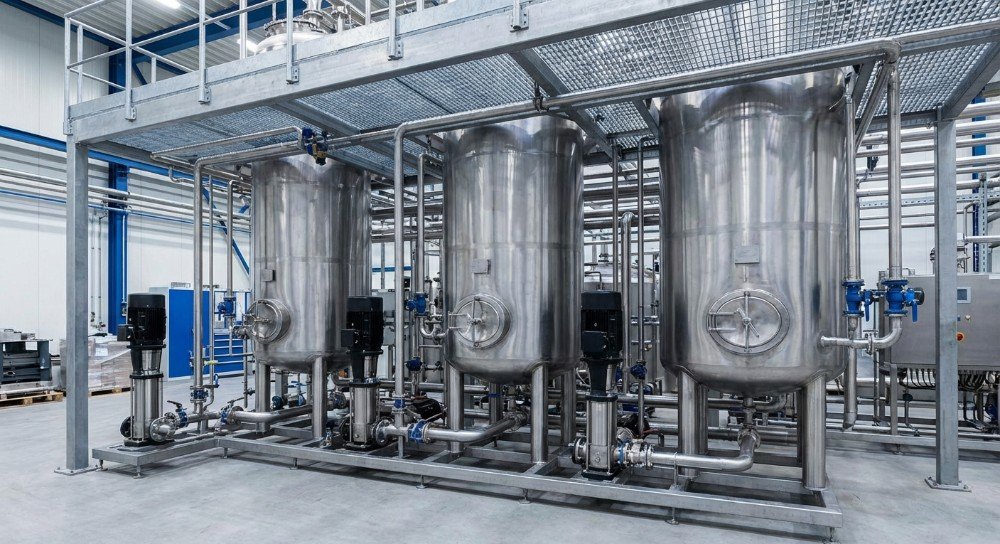
Multi-Effect Evaporator
Configurable multi-effect evaporation for larger continuous processes where steam economy and operating cost are important.
Explore multi-effect evaporators →A Wastewater Treatment System Starts With the Process, Not the Equipment
A reliable industrial treatment route should be selected from the actual wastewater characteristics and project objective. Membrane and evaporation technologies can be used independently or integrated into a broader wastewater reuse or ZLD process.
Analyze the Feed
Review daily flow, TDS, COD, pH, suspended solids, metals, organics and other critical contaminants.
Define the Target
Determine whether the project requires discharge compliance, wastewater volume reduction, water reuse or complete ZLD.
Select the Process
Match pretreatment, DTRO, MVC/MVR evaporation or multi-effect evaporation to the characteristics of the wastewater.
Engineer the System
Finalize capacity, materials, automation, energy requirements, installation layout and operational support.
Industrial Wastewater Treatment Across Difficult Applications
Membrane concentration and evaporation technologies can be configured for industrial streams where conventional treatment struggles with dissolved salts, variable contaminants or demanding water-recovery targets.
Pharmaceutical Wastewater
Treatment of complex process wastewater containing organics, salts and pharmaceutical production residues.
Battery & New Energy
Integrated solutions for wastewater containing high salinity, fluoride, metals and process chemicals.
Electroplating Wastewater
Concentration and recovery processes for metal-finishing wastewater and high dissolved-solids streams.
Landfill Leachate
Membrane-based treatment for highly variable leachate containing COD, ammonia, salts and other difficult contaminants.
High-Salinity Wastewater
DTRO and evaporation technologies for brine, RO concentrate and high-TDS industrial effluent.
Zero Liquid Discharge
Integrated membrane concentration and thermal treatment processes designed around project-specific ZLD requirements.
Chemical Processing
Evaporation and concentration for chemical process streams, product recovery and wastewater reduction.
Food & Process Concentration
Single and multi-effect evaporation options for suitable food, beverage and industrial concentration processes.
See How Different Wastewater Problems Are Approached
Explore Memva's existing application pages to understand how treatment trains can change according to wastewater composition, industry and discharge objectives.
Pharmaceutical Wastewater Treatment
A multi-stage approach to difficult pharmaceutical effluent with refractory organics, high salinity and stringent treatment requirements.
View pharmaceutical case →Landfill Leachate Treatment
Treatment of variable, high-strength leachate using integrated pretreatment, membrane bioreactor and membrane polishing processes.
View landfill leachate case →EV Battery Manufacturing Wastewater
An integrated treatment concept addressing metals, fluoride, organic solvents, high TDS and water-recovery requirements.
View new energy case →Electroplating Wastewater & ZLD
A treatment process combining pretreatment and evaporation for heavy-metal-containing electroplating wastewater.
View electroplating case →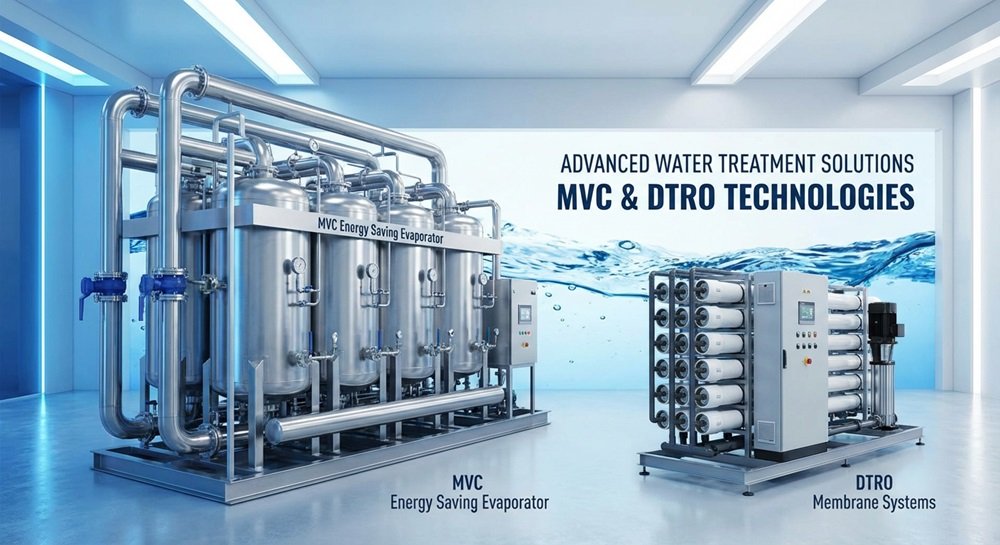
Engineering Support From Equipment Selection to Operation
Memva describes its business as integrating wastewater treatment research, design, manufacturing and operation, with a focus on industrial wastewater, water reuse and Zero Liquid Discharge systems.
Which Wastewater Treatment Technology Should You Consider?
There is no universal “best” evaporator or membrane system. The most economical solution depends on feed chemistry, evaporation capacity, operating schedule and available utilities.
Understand Wastewater Evaporation Before Selecting a System
Technical buyers often need to compare evaporation principles, operating costs and ZLD configurations before requesting equipment. These existing Memva resources provide a useful starting point.
What Is an MVR Evaporator?
Learn how mechanical vapor recompression recovers vapor energy and why it is commonly considered for industrial wastewater concentration and ZLD.
Read the MVR guide →Mechanical Vapor Recompression for ZLD
Explore how vapor recompression can be integrated into Zero Liquid Discharge treatment processes.
Explore MVR for ZLD →Wastewater Evaporator Fundamentals
Understand the role of evaporation when dissolved contaminants, salinity or wastewater disposal costs make conventional treatment insufficient.
Read the evaporator guide →Industrial Wastewater Treatment FAQ
Key questions to consider when comparing wastewater evaporators, DTRO systems and ZLD treatment configurations.
What information is needed to select an industrial wastewater treatment system?
The starting point is usually daily wastewater volume together with representative water-quality data such as TDS, COD, pH, suspended solids, metals and other critical contaminants. The required discharge quality, reuse target or ZLD objective is equally important because it determines which combination of pretreatment, membranes and evaporation should be evaluated.
What is the difference between DTRO and conventional reverse osmosis?
DTRO uses a disc-tube, open-channel membrane configuration rather than the conventional spiral-wound arrangement. The design is intended for difficult wastewater with higher salinity, pollutant loading or fouling risk. It is commonly considered for landfill leachate, industrial wastewater and membrane concentration stages used before evaporation or ZLD treatment.
When should an MVC or MVR evaporator be considered?
Mechanical vapor compression or recompression is typically evaluated when a project needs continuous evaporation while reducing dependence on fresh thermal energy. Generated vapor is compressed and reused as a heating source, making the technology attractive for high-salinity wastewater, brine concentration, water recovery and selected ZLD applications.
What is the difference between single, double and multi-effect evaporators?
A single-effect evaporator uses one evaporation stage. Double, triple and other multi-effect systems reuse vapor from one stage as heating energy for another. Additional effects can improve steam economy, but also increase equipment complexity and capital cost. The best configuration therefore depends on capacity, operating hours, steam cost and feed characteristics.
Can DTRO and evaporation be combined in a Zero Liquid Discharge system?
Yes. For suitable wastewater, membrane treatment can recover a portion of the water and concentrate dissolved contaminants before the remaining brine reaches an evaporator. This can reduce the hydraulic load on the thermal stage. The actual treatment train should be designed from feed chemistry and final ZLD requirements rather than applying the same configuration to every project.
Can industrial wastewater treatment equipment be customized?
Yes. Industrial wastewater varies significantly between plants, so system capacity, wetted materials, membrane configuration, evaporation process, control strategy and pretreatment generally need to match the specific project. Providing a recent water analysis and expected flow rate allows engineers to evaluate a more appropriate equipment configuration.
Which industries can use wastewater evaporation systems?
Wastewater evaporation can be considered in chemical, pharmaceutical, metal-processing, mining, textile, food-processing and other industrial applications where dissolved contaminants or salinity make conventional treatment difficult. The technology is also widely evaluated for brine concentration and Zero Liquid Discharge systems.
How do I request a wastewater treatment proposal from Memva?
Prepare your wastewater flow rate, recent laboratory analysis, main contaminants, current treatment process and required discharge or reuse target. You can then send the information through Memva's Contact page so the engineering team can evaluate suitable DTRO, MVC evaporation or multi-effect treatment options.
Have a High-Salinity Wastewater, Brine or ZLD Project?
Send Memva your wastewater analysis, daily treatment capacity and discharge or reuse target. The engineering team can help evaluate whether DTRO, MVC evaporation, multi-effect evaporation or an integrated treatment process is the appropriate direction.